

refers to the allocation of financial resources into various art forms, cultural projects, creative ventures, and artistic endeavors. It involves supporting artists, arts organizations, galleries, museums, performances, and other artistic initiatives. Arts investment can be done by individuals, corporations, foundations, or government entities with the goal of promoting and nurturing the arts.
Here are some ways in which arts investment can take place:

It's important to note that arts investment can be subject to market fluctuations, subjective valuations, and individual preferences. Therefore, conducting thorough research, seeking professional advice from art consultants or financial advisors with expertise in the art market, and carefully assessing investment opportunities is crucial. Art investment can contribute to the growth of the arts sector, support artists and cultural institutions, and enrich communities by fostering creativity, innovation, and cultural exchange.
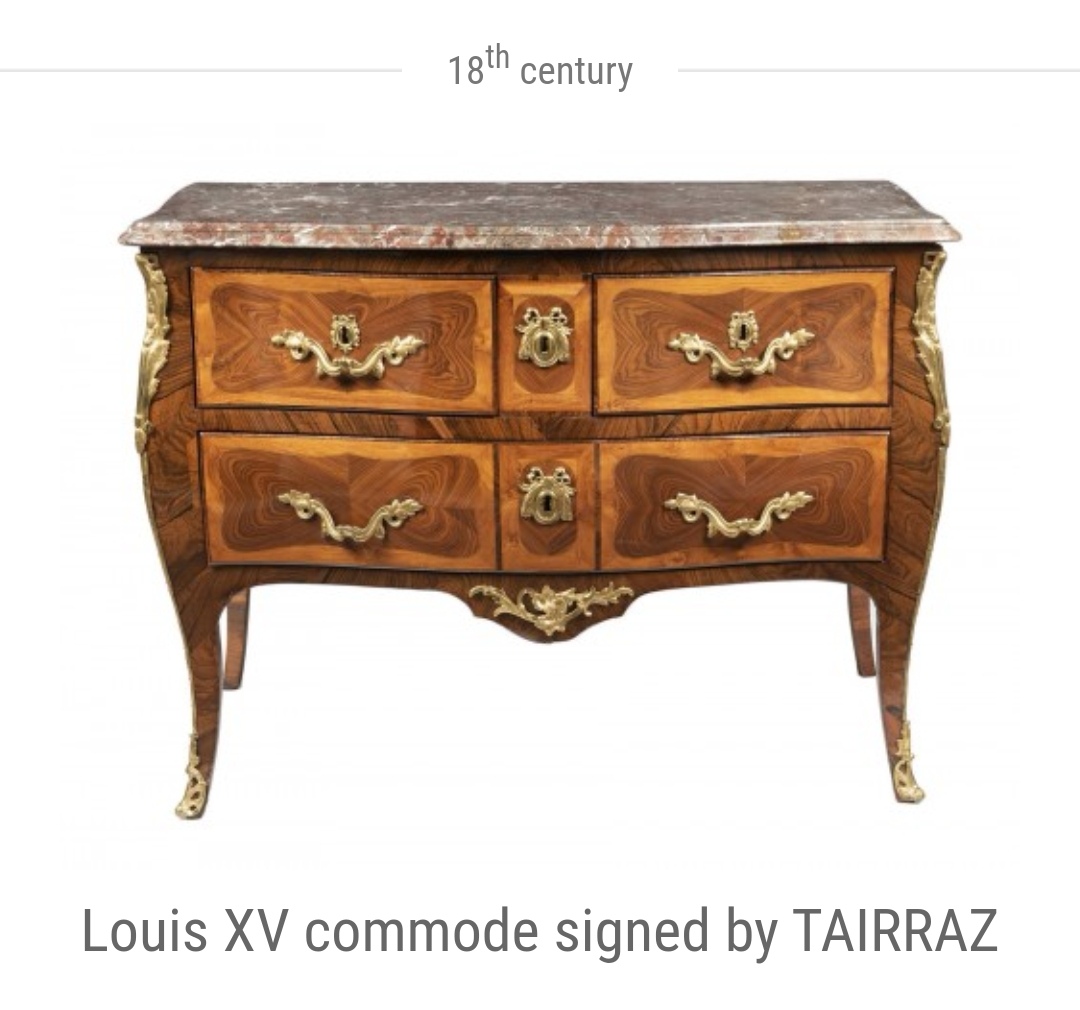
refers to the practice of acquiring and holding antique items with the expectation of generating a financial return over time. Antiques are objects that possess historical, cultural, or artistic significance and are typically aged at least 100 years or more. Investing in antiques can offer both aesthetic enjoyment and the potential for capital appreciation.
Here are some key considerations when it comes to antique investment:
It's important to note that arts investment can be subject to market fluctuations, subjective valuations, and individual preferences. Therefore, conducting thorough research, seeking professional advice from art consultants or financial advisors with expertise in the art market, and carefully assessing investment opportunities is crucial. Art investment can contribute to the growth of the arts sector, support artists and cultural institutions, and enrich communities by fostering creativity, innovation, and cultural exchange.